


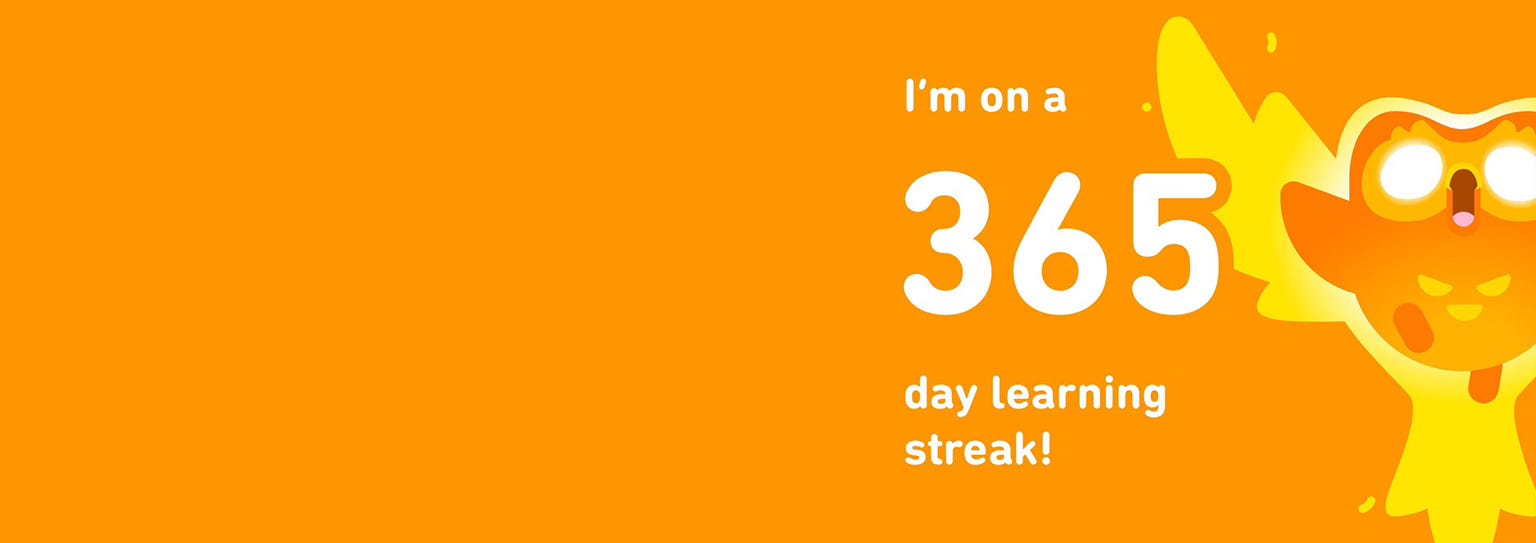
This week I hit a 365 day streak on Duolingo. Bar the odd skipped day for which Duo will give you a pass, albeit with some borderline death threats from its characters, I’ve been actively trying to learn Portuguese for a year!
My grandparents were born in Portugal, an active part of the Portuguese community when they moved abroad. That Portuguese pride was passed down to their children, who have lived most of their lives outside the country. Learning the language of these pioneering people who enjoy a good argument and whose blood I carry is becoming increasingly important to me as I get older. Perhaps more so because I live as a foreigner thousands of miles from any family or heritage.
Barriers to Language Enlightenment
But learning a new language is not easy. I’ve never even been close to good at speaking any language except English. Upon returning to Cayman after a vacation I was once randomly selected for an English test, the officer happily ignoring the fact that I was speaking perfect English to him at that exact moment. I got 100% on the test and a complex about my accent.
Learning a new language is especially difficult when your brain is beginning to age like fine wine (read older), you have a newborn in the house fermenting it further through lack of sleep, and the two minute increments you’re learning in are usually whilst hastily getting ready for bed.
Duolingo isn’t even teaching me ‘real’ Portuguese as the Europeans might say. It’s Brazilian Portuguese. So when I finally take my family to Portugal and order Pastéis de nata for everyone I may have no idea what they’re saying in reply. Given a lot of the entertainment shot for Portuguese TV is Brazilian hopefully they’ll at least still understand me.
That said, I’ve stuck with it because the app is great! They’ve really nailed the gamification of learning with fantastic graphics, slot machine sound effects, friend streaks (Shout out Di!) and hilariously threatening characters…

Most days I learn for just two minutes to keep my streak alive, but on rare occasions when the lessons have got me locked in and I’m doing it long before my wife shuts off the lights, I could spend an hour learning.
As I reflect on the last year of learning though, I can’t help but feel disappointed by how little Portuguese I can speak or understand. Whilst I can certainly pick up on some words I never knew before, I’m far from ordering at a restaurant never mind having a conversation. Duolingo has a premium feature that allows you to have a verbal conversation with one of the characters. During the few times they’ve allowed me to use it for free as a teaser it’s been a very one sided conversation to put it nicely.
The commitment to learning a language is high, the road long, and technology is making it increasingly unnecessary. Apple and Google both have live translation built into their devices now. I can literally put AirPods into my ears and hear somebody speaking my language while they hear me speaking theirs. Why would somebody even bother learning a language as this technology arrives?
There’s More To Learning a Language
While language is a means of communication, it also holds culture. There are things South Africans say when speaking English that anybody not exposed to South African English speakers would be perplexed by. Using robot instead of traffic light can cause a lot of confusion in North America for example.
Learning and immersing yourself in that culture is a way to understand where people are coming from better. To know the phrases unique to their language that don’t translate well into yours is to unlock buried treasure. In a world where we’re increasingly bad at connecting, in spite of all our fancy communication technology, can learning a language help bridge some divides?
If not just for the culture, perhaps learning a new language is good for the brain. Studies using brain imaging have found that second-language learners build stronger connections between regions that handle memory, attention, and problem-solving. People who regularly switch between languages show improved focus and mental flexibility, with some scientists even suggesting it can help delay cognitive decline later in life. We could all use a little more brain power after social media has turned our minds into mush.
While there may be some nice unintended benefits, connecting to my heritage is my primary goal in learning Portuguese. I think that means I’m going to have to do it the hard way, one ‘incorrect’ Brazilian Portuguese pronunciation at a time.
So proud of you, friend! Can't wait til there's a reunion vacation in Portugal and you can order food for me in a fancy restaurant in flawless Portuguese! 😁 On a serious note, this is a beautiful part of your heritage to retain and pass on to your growing family. Well done on staying the course!