


Unless you’re into stashing wads of cash under your mattress and hoping it doesn’t catch on fire, you probably have a bank account. Maybe it’s a bank your parents used when you were a kid and you just went with the same one. Maybe you chose it because they have a flashy card with points that get you into an airport lounge to eat free M&Ms. Either way, banking is an essential service for most of the world. More than 70% of the world is banked1 and growing
What’s Wrong With Legacy Banks?
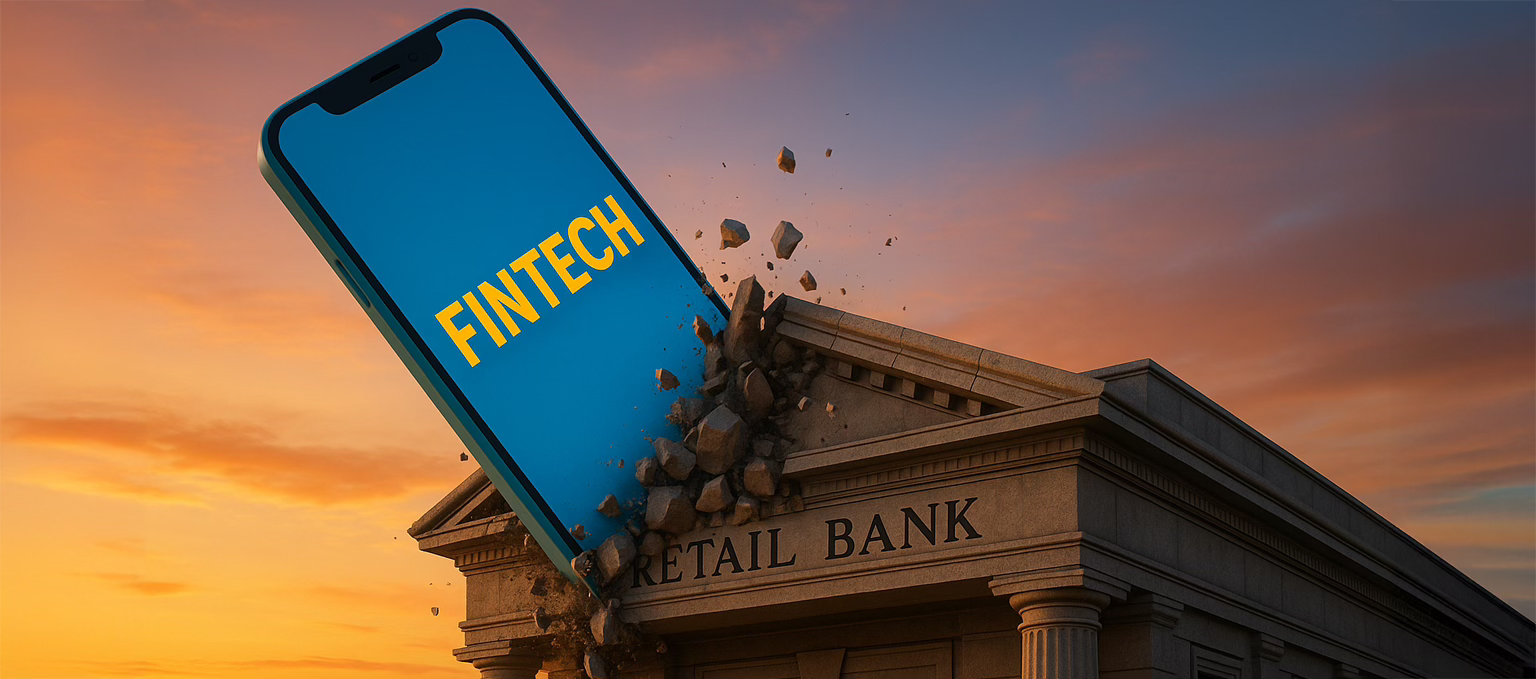
Traditional retail banking - the kind that requires walking into a physical building, filling in tons of paperwork and begging for a loan with multiple weeks of review has begun its slow, painful death. For one simple reason: the customer experience2.
In a world where everything is digital, even some of your friends, legacy banks have been slow to move. You can argue this is for good reason. Your money is not something you want in the hands of people moving fast and breaking things3. But today people are starting to demand more from their bank, and technology-first banks are proving they can be trusted.
If our money is all digital anyway, why go into a physical bank branch? Why pay exorbitant fees to exchange that money into a different currency or send it to another country? Why on God’s human-infested earth should you be charged just to apply for a loan. One that will make the bank a fortune over your lifetime?
What we want out of banking today is convenience, speed and great customer service. Living on a small island for the last ten years, I haven’t gotten to experience any of that firsthand.
Banking in the Dark Ages
Opening a bank account took over a week, required an in-person visit, and so much documentation I felt violated. A car loan took multiple weeks with another bank. Our home loan - MONTHS! At one point, I was literally standing in the bank, in tears, begging them to release the money for an already approved loan so we could move in.
One day our primary bank decided they didn’t like people using eToro (an international, respected trading and investing platform), so they just blocked processing payments to them. When I submitted a formal complaint it was ignored. We’ve even had fraud on a debit card we had never used.
To be fair to legacy banks, the Cayman Islands is further behind than most places. The banks are protected by the small, albeit wealthy, population and unique legislative requirements. It seems most FinTech banks have not yet found the market worth tackling for the limited upside. That means less competition and more mediocre service.
Meanwhile, in the future
In South Africa—a supposed sh**-hole country according to he who shall not be named—legacy banks are actually world leaders4 in providing digital service and security. Winning awards, pricing their services to allow the less privileged access, and driving innovation.
The best bank I’ve ever used is Europe’s fast-growing digital disruptor, Revolut. A colleague from Ireland, where Revolut5 has dominated the market with 73% of adults now holding accounts6, shared them with me. Their founding niche was offering the same exchange rate as the bank gets (interbank foreign exchange market). The bank is accessed through an incredibly sleek app and now offers multiple services outside of just banking or investing, including international data, local cellular service and travel booking.
How does a legacy bank compete with a bank that you can open an account with using your face and passport in minutes? That will send your bank card across the world at lightning speed, that will let me send money to a friend in another country immediately - for FREE!?
While these are two extreme sides of the digital coin—island banks stuck in the dark ages and a fast-expanding digital powerhouse—they are still competing with each other in a world of global citizens and increasing customer expectations. If legacy banks don’t compete, capitalism will take its toll. And this time, governments are far less likely to bail them out.7
FNB, Standard Bank, ABSA, Nedbank - all banks that have been around for many years are leading the world ranking second on Oliver Wyman’s digital banking index second only behind Singapore.
This is an affiliate link, signing up with this link may result in the writer receiving a €20 referral fee to use on diapers, coffee or an ice-cream.
Reference to the unprecedented bail outs of banks during the 2008 financial crisis.